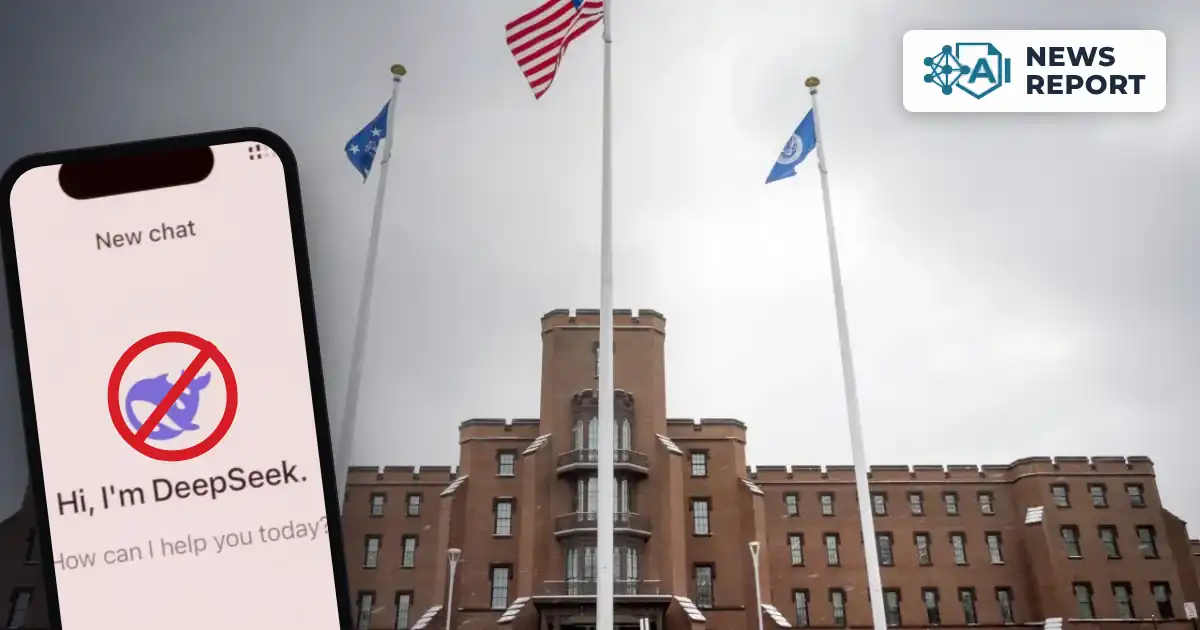
The Character.AI bankruptcy has turned a chatbot company's money troubles into a test of who controls the private conversations of millions of users, many of them children. Attorneys general from 39 states and the District of Columbia have told a Delaware bankruptcy judge that any buyer of the business must meet nine conditions on safety and privacy, and Disney, the first bidder, has said it does not want the chats at all.
Character Technologies, the company behind the Character.AI app, filed for Chapter 11 late on October 12, Reuters reported. The case sits before Judge Brendan Shannon in the US Bankruptcy Court for the District of Delaware. The company plans a court-supervised sale by the end of the year. If no sale closes, the platform will be wound down, according to CNN.
Why Character.AI went bankrupt
Chief executive Colin Adams said in a sworn declaration that high legal costs, difficulty reaching profitability and investor worry about litigation pushed the company into court, KQED reported. The company was losing between $8 million and $9 million a month before it filed, according to Reuters.
The filing itself describes a business with a "large and engaged user base" that was hobbled by high costs and "potential litigation-related liabilities and regulatory engagement," TechCrunch reported.
Those liabilities are real. Florida mother Megan Garcia sued in 2024, alleging the platform contributed to the suicide of her 14-year-old son. Other families followed with claims about sexual content and encouragement of self-harm. Character.AI agreed earlier this year to settle five cases, including Garcia's. Adams told the court that 46 states and territories are investigating the company, according to KQED.
Kentucky has gone further. Attorney General Russell Coleman sued Character Technologies and its founders in January, and an unredacted version of the complaint filed this month alleges the app "subjected Kentucky's children and residents to an ill-planned, uncontrolled experiment," WSMV reported.
What Disney is buying, and what it left behind
Disney is the stalking horse bidder, offering $20 million. A court filing reported by TechCrunch on October 18 adds that Disney will offer jobs to at least 60 Character.AI employees, the majority of the workforce, at an estimated $60 million in annual pay, and that the "vast majority" of those offered jobs accepted. Former Character.AI chief executive Karandeep Anand recently became Disney's first chief technology officer.
The deal is narrow. According to a review of the court record by PPC Land, Disney gets a non-exclusive license to code and patents. The term sheet excludes:
- the Character.AI app and brand;
- user data, including what users typed and what the bots replied;
- the finished AI models.
Erin Fay, the company's lawyer, told the court that Disney is not interested in the user data and that no buyer has yet made an offer for the data or the chatbot business, Reuters reported. That leaves the most sensitive asset in the estate with no owner lined up.
Key dates in the sale
PPC Land lists the proposed timetable from the court filings:
- Bid deadline: November 20, 2026
- Auction: November 23
- Sale hearing: November 24
- Disney's outside date to close: December 17
The nine conditions states want on any buyer
On October 14, attorneys general for 39 states and the District of Columbia filed a 28-page notice in the case, according to PPC Land. They reserved the right to object to the sale and to ask for a consumer privacy ombudsman, an independent official who advises the court on what a sale means for personal data. The notice says any buyer must:
- check ages with more than a self-declared birthdate;
- keep minors out of open-ended chats and away from harmful content;
- remove characters that pose as therapists, doctors, lawyers or other licensed professionals;
- run crisis protocols for self-harm, suicide, eating disorders and substance abuse that a click-through cannot bypass;
- keep a privacy program, with consent before processing health information shared in chats;
- honour existing advertising opt-outs at the account level and disclose any data sales;
- not use chat content for training, advertising or other commercial purposes beyond what users and parents agreed to;
- give every user a chance to delete their data before any sale;
- market the product truthfully, including whether characters are human.
Abigail Ryan, a lawyer for the states, said they were "willing to work with the buyers to find safeguards" but did not want past problems to "start over with a new purchaser," Reuters reported. New York Attorney General Letitia James said the company "has collected some of the most private thoughts children have ever shared."
A day later, California joined 22 other states in a separate notice. Attorney General Rob Bonta said his office's investigation "identified potential consumer protection and privacy violations" and asked the court "to address privacy and safety concerns in any sale or transfer of the company's business or assets," according to his office. That coalition warned that Character.AI's voluntary limits on minors are not mandatory and that a new owner could undo them.
How many users are affected
The numbers in the record do not agree. The states' notice, quoting Kentucky's complaint, says more than 21.6 million US accounts had been created by March 2025, more than 2.1 million of them with a declared age under 18. The company's own filings put monthly users at about 12 million, including at least 2 million children who spend about two hours a day on the platform, KQED reported.
The states argue that chat logs are hard to strip of identifying detail, and that weak age checks from 2022 to 2025 mean many children were likely recorded as adults.
Why this matters beyond one company
Bankruptcy courts have handled sensitive data before. In 2025, 23andMe's genetic data was sold to a nonprofit led by the company's co-founder despite objections from more than two dozen states. Mario Trujillo, a senior staff attorney at the Electronic Frontier Foundation, told KQED that sensitive personal information should not be treated as "an asset to be bought and sold."
Companion chatbots hold something different from genetic files: daily, intimate conversation. Robbie Torney of Common Sense Media told KQED that deleting an account may not remove the data from models already trained on it. His advice to users was to export chats first and then delete the account. The company's help centre says exports can take three to four weeks.
State enforcers have spent the past year building cases against chatbot makers, from the eight states that sued OpenAI over ChatGPT safety to Kentucky's suit against Character.AI. The Delaware case is the first time those concerns have met a sale. Whatever Judge Shannon allows in November will show whether children's chat histories can change hands like any other asset, or whether a buyer has to take on the safety promises along with them.