South Africa Looks to Silicon Valley for AI Opportunities
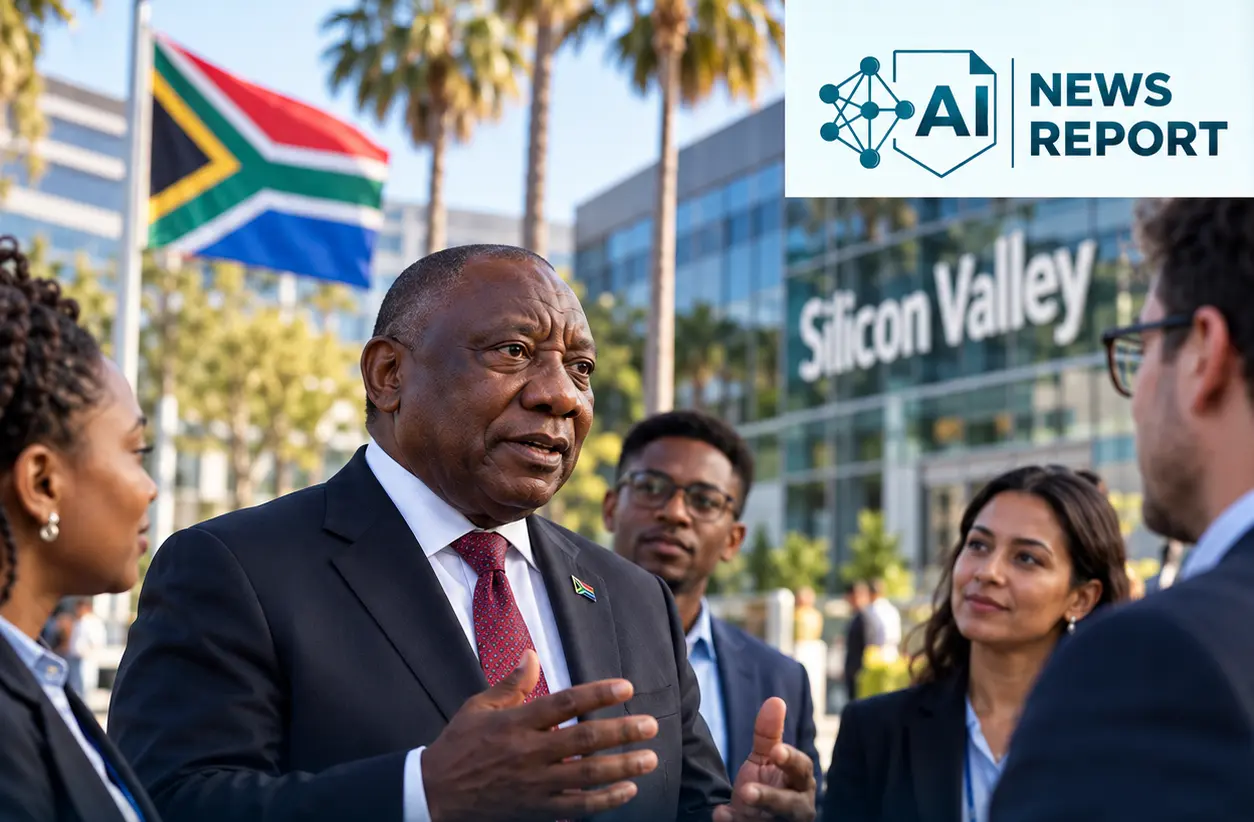
South African President Cyril Ramaphosa plans to lead a delegation to Silicon Valley in the United States after the country’s local government elections, as the government explores how artificial intelligence can contribute to economic growth, innovation and development.
The proposed visit, reported on October 19, 2026, is expected to bring together representatives from government, universities, business and the country’s younger generation. The delegation intends to engage major technology industry players and gain a better understanding of how AI works and how South Africa can use it to its advantage.
Ramaphosa outlined the plan while speaking at a Black Wednesday commemoration lunch. He said the country needed to understand the technology more deeply to identify practical ways to benefit from its rapid development. The announcement does not confirm which companies the delegation will meet, when the visit will take place or whether it will result in new investment agreements.
Why South Africa Wants to Engage AI Leaders
Artificial intelligence is increasingly influencing industries ranging from finance and healthcare to education, media and public administration. For South Africa, engagement with major technology developers could offer opportunities to learn from global experience, strengthen technical capacity and identify potential areas for collaboration. Ramaphosa has previously presented digital infrastructure and AI as important elements of the country’s economic development strategy. In a July 2026 address at the Google Cloud Summit in Johannesburg, he highlighted opportunities to use AI in public services, education, healthcare, agriculture and infrastructure management.
That broader agenda includes building local technical expertise, supporting businesses and developing an environment in which South African innovators can create and commercialise their own solutions. The planned Silicon Valley visit could provide a platform for exploring these ambitions directly with technology companies. However, its practical value will depend on what follows the discussions, including whether they lead to skills programmes, research partnerships, locally relevant tools or investment.
AI Could Support Journalism and Access to Information
One area Ramaphosa has highlighted is journalism. AI tools can help journalists process large volumes of information, identify patterns, translate content and make reporting accessible to people who speak different languages. These capabilities could be particularly relevant in a multilingual country such as South Africa, where language barriers can affect access to news and public information.
Used responsibly, AI may help media organisations improve research workflows, analyse datasets and expand the reach of their reporting. But these benefits depend on human oversight, fact-checking and clear accountability when AI-generated material is used. The same technology that helps produce and translate information can also generate convincing false content. This creates a growing challenge for journalists and audiences trying to distinguish authentic material from manipulated images, audio and video.
Disinformation Raises Concerns Ahead of Elections
Ramaphosa has warned that AI-generated misinformation could undermine public trust and democratic processes. He described a manipulated image circulating on social media that depicted him and Deputy President Paul Mashatile lying in a hospital ward. The image illustrated how fabricated content can influence public perceptions before it has been properly verified. The concern is particularly significant as South Africa approaches its local government elections, scheduled for November 4, 2026. False or misleading content circulated online could confuse voters, damage reputations and weaken confidence in institutions.
AI-generated misinformation is not the only threat. The speed at which fabricated material can spread may also place pressure on journalists, election authorities and digital platforms to respond before misleading narratives gain traction. Addressing these risks requires more than access to advanced technology. Media literacy, transparent communication, independent journalism and effective systems for verifying digital content will remain essential.
Investment Must Be Matched by Skills and Local Capacity
South Africa’s engagement with Silicon Valley also raises questions about who will benefit from the growth of AI. Access to powerful tools and infrastructure does not automatically translate into broad economic gains. The country will need skilled workers, strong research institutions, reliable digital infrastructure and opportunities for local businesses to develop their own products. Young people and smaller enterprises must be included if AI is to support inclusive development rather than deepen existing inequalities.
Data sovereignty is another important consideration. As governments and businesses increasingly rely on AI services and cloud infrastructure, they must consider where sensitive information is stored, how it is processed and who controls the systems on which essential services depend. South Africa has already identified these issues as part of its wider digital development agenda. Its challenge will be to attract useful partnerships while protecting citizens’ rights and supporting local innovation.
What the Proposed Visit Could Mean for Africa
South Africa’s planned engagement with Silicon Valley reflects a wider question facing African countries: how can they benefit from AI systems largely developed by global technology companies while building their own expertise and influence? Partnerships can provide access to technical knowledge, investment and training. But lasting benefits will require African researchers, entrepreneurs, governments and communities to help shape how AI is designed and deployed for local needs.
For now, Ramaphosa’s announcement marks a proposed diplomatic and technology engagement, not a completed agreement. The next developments to watch are the delegation’s confirmed itinerary, the companies involved and any concrete commitments on investment, research, skills development or responsible AI. The central measure of success will not simply be whether South African leaders meet major technology executives. It will be whether those engagements translate into practical benefits for the country and strengthen its ability to shape its own digital future.