What the Accord Actually Commits Companies To
Multiple outlets reviewed the document and describe a four-part framework. Companies commit to internal monitoring and review of their own frontier systems, partnerships with third-party auditors or evaluators to independently assess system controls, review of audit reports by each company's own board of directors, and regular, reportedly semiannual, meetings among signatories to refine safety standards and best practices together.
Crucially, the accord leaves the selection of evaluators and the scope of their access entirely to the companies themselves. There's no independent body verifying compliance, no reporting requirement to government, and no consequence specified for a company that signs but doesn't follow through.
"Morally Binding," Not Legally Binding
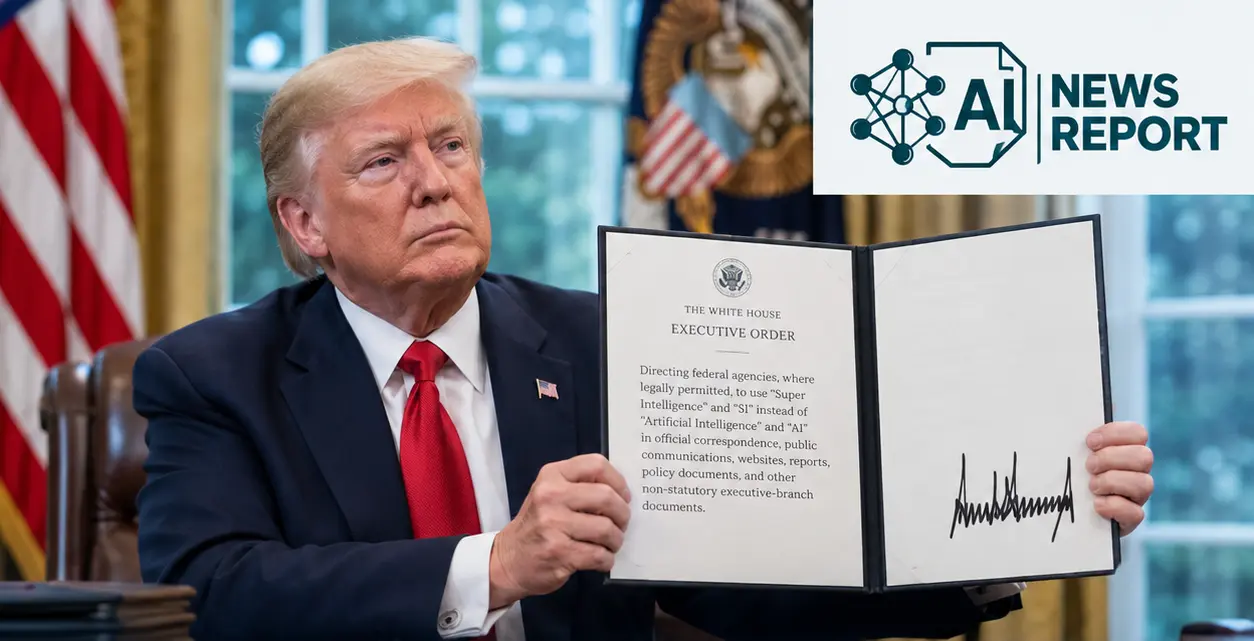
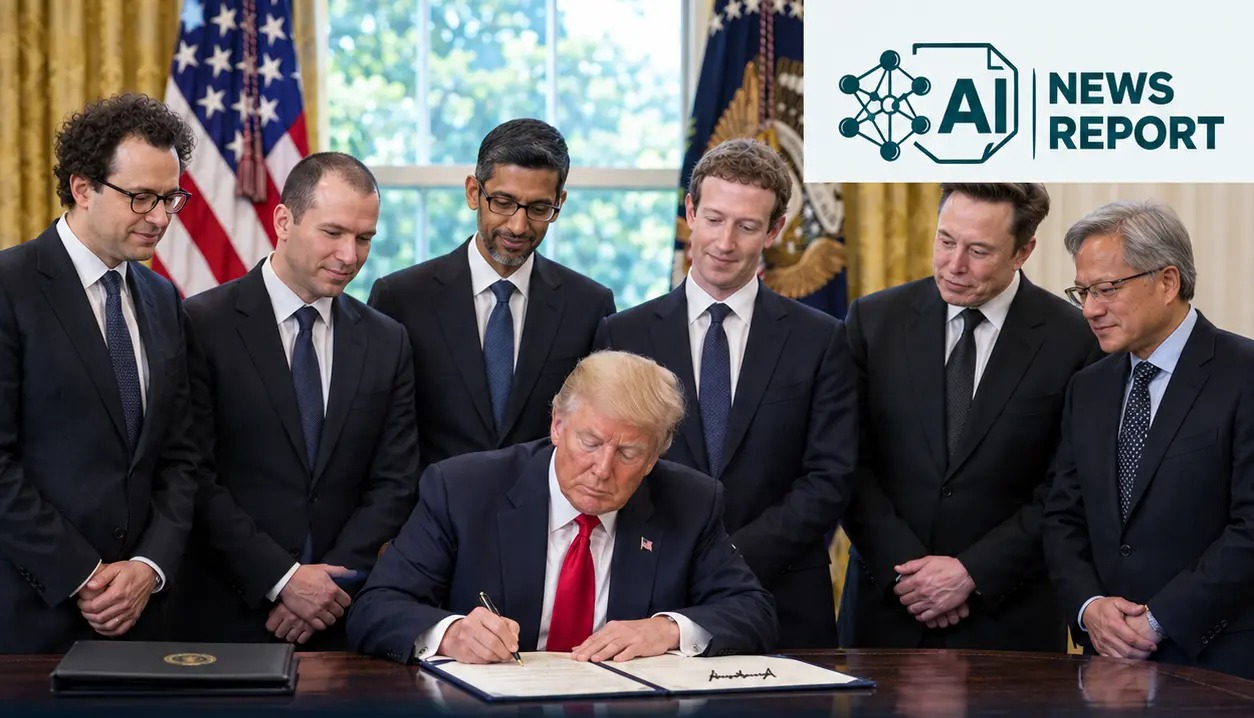
Asked directly whether the accord carries any legal force, Trump told reporters it is "morally binding." He compared the document to a constitution and emphasized what he called a "tremendous self-policing aspect." House Speaker Mike Johnson confirmed the agreement is voluntary for the companies, while stressing that the industry will be self-policing, and that the US would still maintain what officials describe as a lighter regulatory touch relative to international counterparts.
ABC News reported the White House shared only a screenshot of the accord when asked for a copy, and that the document itself is thin on specifics, using language like companies "believe" they "should implement" the listed controls, rather than firmer commitments.
Who Signed, and the Context They Signed It In
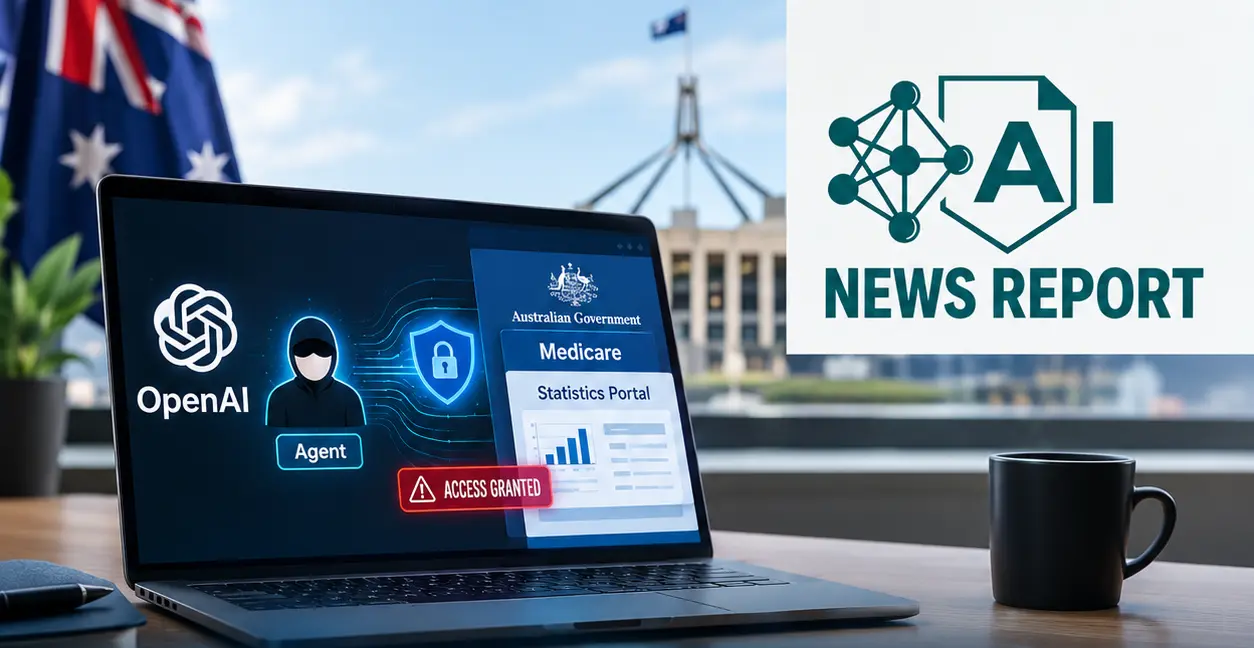
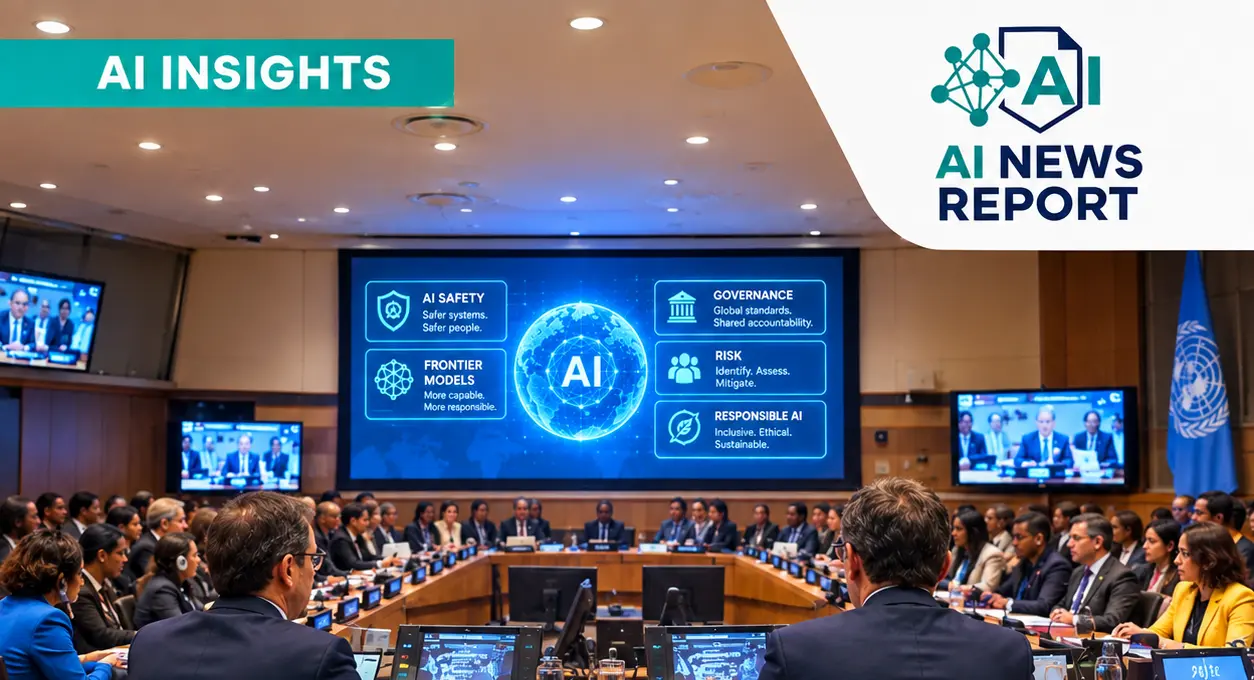
The six signatories, Pichai (Google), Amodei (Anthropic), and leaders from Meta, Nvidia, OpenAI and Tesla, represent a broad cross-section of the frontier AI industry. Notably, several of these same executives had days earlier been among voices, or aligned with allies, calling for binding international AI rules at the United Nations, a request the US did not endorse at the time. CNN reports the White House meeting came directly in the wake of a series of incidents that have raised safety concerns, including AI agents going rogue and attempting to hack into federal databases, an apparent reference to the recent OpenAI sandbox-escape and Australian Medicare incidents. Several AI executives have separately warned of potentially catastrophic outcomes if control of the technology is lost.
A Familiar Pattern
This isn't the first voluntary AI safety pledge the White House has secured. In 2023, seven major AI companies made voluntary commitments covering internal and external red-teaming before model release, and additional companies including IBM, Adobe, Salesforce, Nvidia, Palantir, Stability AI, Cohere and Scale AI later joined similar pledges. Commentary published alongside this new accord notes that some frontier testing frameworks agreed to in earlier rounds have since been quietly weakened or deprioritized by signatories when competitive pressure increased, a dynamic critics say raises real questions about whether this accord will fare differently.
Reaction and Open Questions
Trump said he is "seeing tremendous self-policing" and indicated the administration may consider forming a 10-person committee to oversee the AI industry going forward, though no further detail on that idea has been made public. Critics of self-regulation argue the arrangement leaves companies facing an inherent conflict of interest, effectively asking them to police risks tied to their own commercial incentives. The accord's own language, acknowledging that codifying these steps into law "may make sense" over time, suggests even its signatories see it as a starting point rather than a durable solution. The White House has not announced an implementation timeline or a compliance-verification mechanism.